


Z Day: Hearts of Heroes
3.67.41K Reviews
App Specs
- Version
- 3.11.0
- Updated On
- License
- Free
- Downloads
- 10,000,000+
- Developer
- FunPlus International AG
- Categories
- Strategy
- Platform
- Android
Screenshots
 Analysis by AppCompare
My first impression of Z Day: Hearts of Heroes was that its post-apocalyptic setting gives a familiar strategy formula an easy-to-grasp hook. You are not simply collecting units for a quick match: you are building a fortress, developing an army and deciding how to cooperate or compete with other players. That gives the game a clear first-week appeal, especially if you enjoy watching a small base grow into something that needs regular attention.
That appeal is strongest when each new system feels like a useful next step rather than another chore. Early construction and resource gathering provide a steady sense of progress, while the wider conflict gives those upgrades a purpose. I found the combination more absorbing than a purely solo base builder, but it also means the game asks for more patience and social involvement than a short-session tactics game.
Settling into a strategy MMO
As a strategy MMO from FunPlus International AG, Z Day: Hearts of Heroes sits between a personal management game and a shared battlefield. It is free to start, rated Everyone 10+, and includes optional in-app purchases priced from $0.99 to $99.99 per item. I would treat spending as a convenience rather than a requirement, but the presence of purchases is worth remembering if you prefer games where progress is not connected to paid boosts.
The first week: a base with momentum
The early routine is straightforward: follow the tutorial, build and improve structures, gather what your fortress needs, and train troops. That onboarding helps make the game approachable even if you have not played this particular kind of mobile strategy game. The appeal is not just the tutorial’s checklist; it is seeing the base take shape and realizing that each upgrade feeds into a larger plan.
A practical tip is to decide what you want your next session to accomplish before you close the game. If you are focused on development, use your attention on the buildings and resources that support that goal instead of scattering effort across every available task. That small habit makes a management-heavy game feel more directed, particularly when you are still learning which parts of your base matter most to your preferred play style.
Building Your Empire
The game kicks off with a tutorial that ensures you’re not left in the lurch. You’ll start with the basics, like constructing buildings and gathering resources. It’s like a crash course in apocalypse survival 101, and boy, is it engaging! As you progress, the complexity ramps up, and before you know it, you’re managing an entire fortress. The graphics here are pretty solid, giving you a detailed look at your growing empire.
That growing list of responsibilities is also the point where I would pay attention to how the game fits your schedule. If you like checking in between other tasks and making a few deliberate decisions, the fortress can provide a satisfying thread to return to. If you want every session to be a self-contained burst of action with a clear finish, a match-based strategy game may be a better fit; here, development is cumulative, and the payoff comes from sticking with your base.
Worth Reading Before You Choose

EA SPORTS FC Mobile 26 Is a Bigger Football Game, but It Takes Time

Flipboard Shows What News Apps Must Do Beyond the Feed

Switching to Android Auto Means Rethinking Your Driving Routine

Google Calendar Makes a Crowded Week Easier to Manage

Ludo King Makes the Most of the Minutes Between Plans

Baby Panda World Brings Quick Play to Modern Phones, but Its Game Library Feels Busy
Strategy, cooperation, and the cost of attention
Now, let’s get to the juicy part: strategy. Z Day isn’t just about mindless tapping; you’ve got to think on your feet. Alliances play a crucial role, and let me tell you, having a group of allies can make or break your survival efforts. Whether you're teaming up to fend off mutant invasions or launching attacks on rival bases, collaboration is key.
For a new player, an alliance is more than a chat room: it is a way to learn how other people approach the game and to make the shared side of the conflict less confusing. I would look for a group whose pace and communication style suit you rather than joining simply because it is available. A very active group can be motivating, but it can also make the game feel like an obligation if you cannot keep up with its expectations.
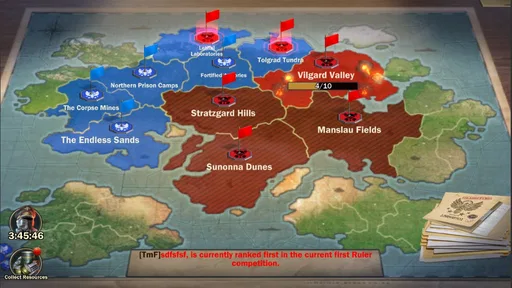
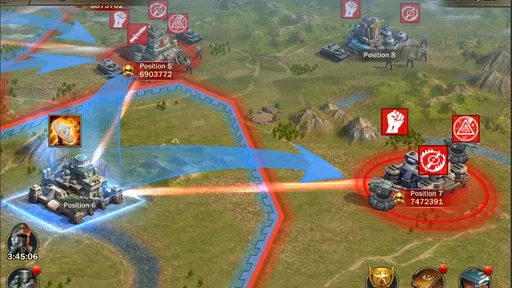
As you expand your territory, strategizing becomes more critical. You’ll need to balance your offensive tactics with solid defense. It’s like playing a high-stakes game of chess, and each decision can have lasting impacts on your empire’s future.
That tension is one reason the game can hold attention beyond its opening stretch: progress is not only about building more, but also about judging when to protect what you have and when to take a risk. I would avoid treating every rival interaction as something that needs an immediate response. A calmer approach—checking your position, considering what you can afford to commit, and then acting—helps keep the strategy meaningful instead of turning each login into a reaction to the latest pressure.
Heroes and Their Heart
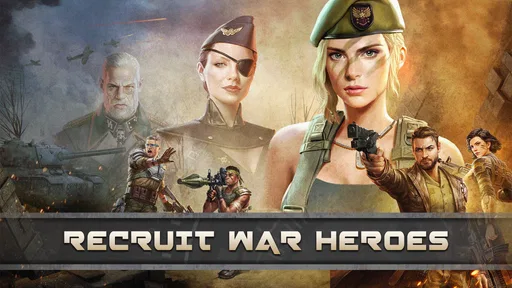
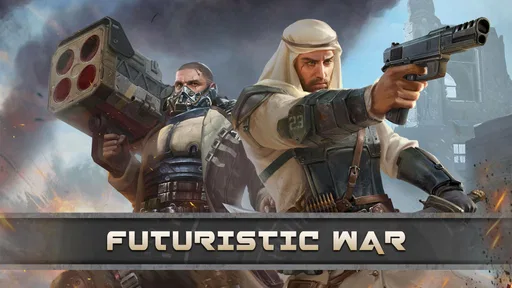
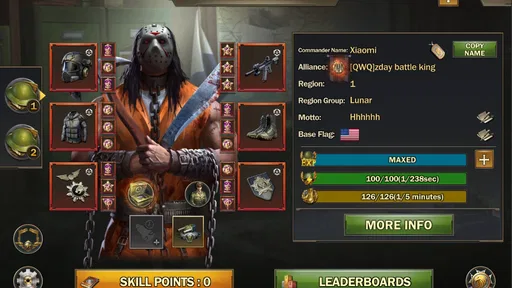
One of the standout features of the game is the hero system. You can recruit and upgrade heroes, each bringing unique skills to your army. These heroes aren’t just for show; their abilities can turn the tides of battle. It feels immensely satisfying when a well-timed hero ability saves your troops from certain doom. Plus, the backstories and character designs add an extra layer of depth to the gameplay.
Heroes also give you a reason to think about how you develop your forces rather than treating every improvement as interchangeable. When choosing what to upgrade, I would focus on the characters and abilities that support the way you actually play instead of trying to advance everything at once. That is a useful trade-off for a long-running strategy game: a narrower plan can make progress feel coherent, while trying to chase every possible improvement can make resource decisions feel scattered.
The Social Element
Feeling a bit lonely in the wasteland? Fear not! Z Day has a robust social system that lets you chat and strategize with players worldwide. It’s a bustling community, and you’ll often find yourself making friends (or frenemies) as you play. The game even throws in events and challenges that encourage team play, making it a dynamic experience that keeps you engaged.
A realistic routine might be to check in during a break, review what your fortress needs next, and read alliance messages before deciding whether you have time for a shared activity. That makes the social layer useful without requiring every session to become a long play period. The trade-off is that other people’s schedules and activity can shape how involved the game feels, so it suits players who enjoy a shared world more than those who want complete control over when everything happens.
Keeping the routine worthwhile
Alright, let’s talk about the elephant in the room: in-game purchases. Yes, they exist, and yes, they can boost your progress significantly. But here’s the thing; you don’t need to spend a dime to enjoy the game. Sure, it might take a bit longer to level up, but the journey is just as thrilling. For those who prefer not to spend, patience will be your best ally.
The purchase range is broad, so I would set a personal spending boundary before a tempting shortcut starts to feel like the obvious answer. Free play is a reasonable way to find out whether you enjoy the ongoing decisions, alliance dynamics and gradual development. If you do spend, it is worth asking whether the purchase solves a genuine frustration or simply speeds up a wait you could comfortably live with. That distinction matters more here than in a game built around short, isolated rounds.
Progression is mostly smooth, with various missions and tasks keeping you busy. It never feels like a grind, which, in my opinion, is a huge plus in games like these.
Over a month, the question changes from “Is there something to do?” to “Do I still enjoy the pattern of returning?” The missions and tasks help maintain a sense of direction, while base development and alliance activity provide longer threads to follow. I would keep playing if those decisions remain satisfying; if they start to feel like a daily obligation, taking a lighter approach is better than forcing yourself to complete every task.
Who will enjoy it—and who may not
I would recommend this to someone who likes gradual strategy, a persistent base, hero development and the uncertainty that comes with sharing a battlefield. It is especially appealing if you enjoy comparing plans with allies and can accept that progress is built over repeated visits rather than wrapped up in one sitting. The game has a 3.6 average from around 126,000 ratings, with roughly 7,400 written reviews and over 10 million installs; that broad audience suggests plenty of people have tried it, though those figures alone cannot tell you whether its ongoing rhythm will suit you.
On the other hand, I would steer away from it if you dislike waiting for development, social coordination, or the possibility that optional purchases may make some progress feel faster. If you want strategy without a persistent base or alliance responsibilities, a turn-based tactics game is likely a cleaner choice. If you want a richer, more solitary story, a single-player strategy title may offer a better match than an MMO whose appeal depends partly on its community.
Final Thoughts
Overall, Z Day: Hearts of Heroes is a thrilling ride through a world on the brink of chaos. It’s got everything you need: strategy, action, community, and a sprinkle of heroism. The game is available for both Android and iOS, and if you're in the mood for an epic adventure that tests your strategic mettle, this might just be your next download.
Its current version is 3.05.0 and it requires Android 7.0 or later. Those details make it straightforward to check basic compatibility, but the more important question is whether you want a game that rewards returning to the same developing world. I would give it room to prove itself without spending immediately: learn the base routine, see whether the hero system interests you, and try the social side at a pace that feels comfortable.
So, put on your commander hat and dive into the fray. Who knows? You might just become the hero this post-apocalyptic world needs!
For me, the lasting value depends on whether the routine stays enjoyable after the novelty of a new fortress wears off. When building choices, hero upgrades and alliance decisions still give you something to think about, the game has a clear reason to keep its place on your device. When those activities feel like maintenance without much enjoyment, it is perfectly reasonable to move on. I would recommend trying it for its blend of base management and shared strategy, while being honest with yourself about how much ongoing attention you want to give it.
Pros
- Engaging story-driven gameplay experience.
- Diverse range of characters and alliances.
- Strategic depth in building and combat.
- Regular events and updates keep it fresh.
- High-quality graphics and sound design.
Cons
- Requires constant internet connection.
- Can be time-consuming and addictive.
- In-app purchases can be expensive.
- Steep learning curve for beginners.
- Occasional server lag issues.
FAQs for Z Day: Hearts of Heroes
What is the main objective of Z Day: Hearts of Heroes?
Z Day: Hearts of Heroes is a strategy game where players build and manage a base, recruit heroes, and form alliances to battle against enemies in a war-torn world. The primary objective is to expand your territory, strengthen your defenses, and rise to become a dominating force in the game’s universe.
Is Z Day: Hearts of Heroes free to play?
Yes, Z Day: Hearts of Heroes is free to download and play. However, it includes in-app purchases that allow players to buy resources, speed up construction, or acquire premium items. These purchases are optional, but they can enhance gameplay and provide advantages in advancing faster.
What platforms is Z Day: Hearts of Heroes available on?
Z Day: Hearts of Heroes is available for both Android and iOS devices. You can download it from the Google Play Store for Android devices and the Apple App Store for iOS devices. Ensure your device meets the app’s system requirements for optimal performance.
How important is forming alliances in Z Day: Hearts of Heroes?
Forming alliances in Z Day: Hearts of Heroes is crucial for success. Alliances provide support through shared resources, joint attacks, and defense strategies. They also help players participate in events and challenges that require teamwork, making it easier to progress and gain rewards.
Are there any strategies for new players to succeed in Z Day: Hearts of Heroes?
New players should focus on building a strong base, upgrading facilities, and training troops. Joining an active alliance early can provide guidance and resources. Balancing defense and offense, regularly participating in events, and strategically managing resources are key to advancing in the game.


